



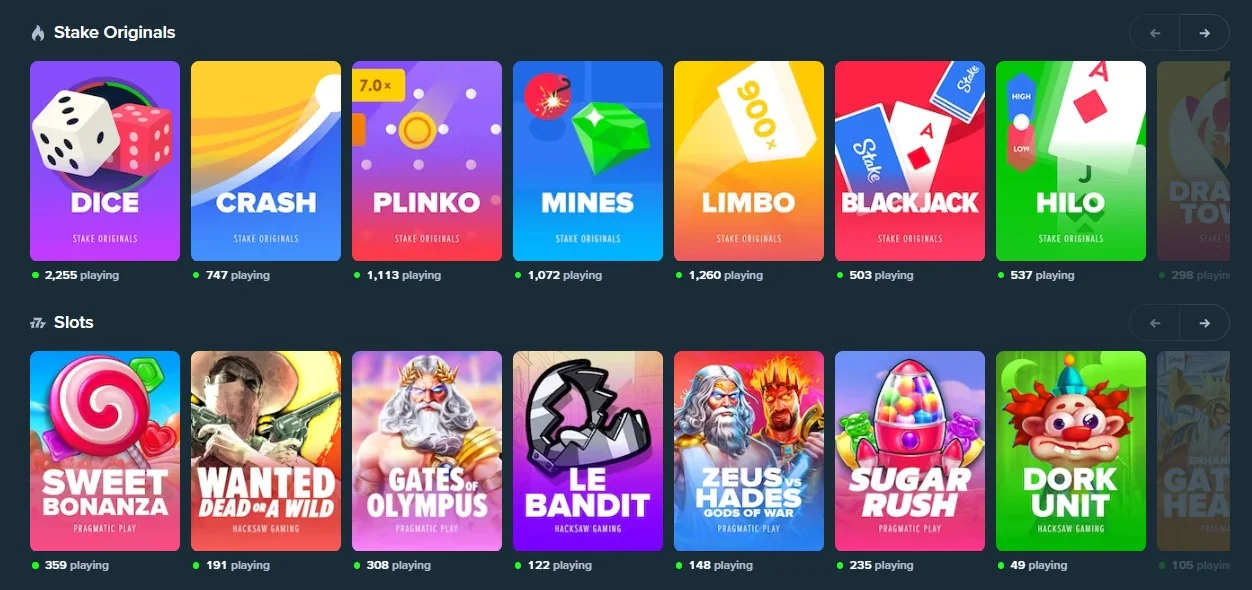

I have spent considerable time analyzing the nuances of accessing premium live dealer content in various jurisdictions, and I comprehend the specific attention surrounding Stake Casino. Traversing the environment of interactive gaming demands a clear grasp of platform mechanics, regional accessibility, and the technical resources that bridge the gap between a player and a real-time studio. The appeal of live casino games lies in their ability to mirror the sophisticated atmosphere of a brick-and-mortar establishment directly on a screen. When I examine Stake Casino, I recognize a platform built on a modern interface that emphasizes speed and transparency. However, the geographical restrictions implemented by regulatory frameworks often generate a layer of complexity that calls for a precise, step-by-step approach to secure uninterrupted access to live dealers, real-time card shuffles, and the spinning roulette wheel.
Understanding the Legal Framework for Digital Gaming
Before I go into the mechanical mechanics, I need to address the regulatory environment that determines how platforms function. The regulatory framework in many territories distinguishes between standard fixed-odds betting and interactive peer-to-peer or house-banked games. I have observed that operators holding specific international licenses often restrict service availability to conform with local sovereignty. When I examine the access protocols for a platform like Stake Casino, the barrier is not a question of technical failure but of legal conformity. The platform employs geolocation verification to guarantee it complies to licensing conditions. This means that the primary barrier between a user and a live blackjack table is a virtual geo-fence. Understanding this enables me understand that the remedy lies in lawful privacy tools rather than shady workarounds. The goal is to restore the connection that the licensing geography breaks, always honoring the terms of use set by the provider.
Sidestepping Common Authentication Roadblocks
Even with a robust VPN, Read Our Review Stake, I sometimes face obstacles caused by intrusive browser fingerprinting or stale DNS data. If the platform loads but the live lobby doesn’t to load, I instantly purge my Domain Name System cache using the command line tool unique to my operating system. I have noticed that altering my DNS settings to a public, privacy-focused resolver can resolve latent geolocation problems that a VPN alone cannot conceal. Another roadblock I often see is the platform rejecting a session due to WebRTC leaks. WebRTC can broadcast my local network details even when the VPN is on. I routinely deactivate WebRTC in the browser privacy settings or use a specialized browser extension that prevents these leaks. If I get an account verification request, I handle it patiently as a standard compliance check, guaranteeing any documentation provided correlates with the identity profile I established during registration, while still keeping my connection security.
Prerequisites for a Secure Connection Establishment
To establish a local connection from a limited region, I must to use a Virtual Private Network, commonly known as a VPN. The role of a VPN in this situation is fundamental; it acts as an secured tunnel, concealing my actual IP address and swapping it with one from a server located in a area where the product is openly available. I always suggest choosing a premium, no-logs VPN provider because the performance and safety of the connection are non-negotiable for live streaming. A low-quality proxy will cause latency, causing the stream to stutter mid-hand, which is a serious failure in a time-sensitive game move. Furthermore, I verify that my VPN has a kill-switch function. If the encrypted connection disconnects suddenly, the kill-switch instantly cuts my internet, preventing my true IP address from being exposed to the platform’s geolocation verification server, thus keeping a pristine access record.
Detailed Configuration for Streaming Entry
I initiate the process by clearing my browser cache completely to remove any cached location markers. Afterward, I turn on my VPN client and pick a remote server located in a region where Stake Casino’s live games are available without restriction. I like using dedicated streaming servers if my VPN provider offers them, as these are optimized for high bandwidth. Once the VPN connection indicator indicates a secure green light, I launch a fresh incognito browser window. I then go to the main Stake Casino URL. The platform should at this point read the IP address of the VPN server and show the full, unrestricted user interface. Upon login, I always turn on Two-Factor Authentication using an authenticator app instead of SMS, as this links security tightly to my physical device rather than a phone number that might hint at my true location. This chain of digital hygiene creates a perfect entry point.
Handling Financial Transactions smoothly
The financial structure of Stake Casino is built upon digital assets, which presents a distinct advantage in transaction speed versus traditional banking rails. I favor using cryptocurrencies like USDT or Ethereum for my live casino bankroll because they bypass the processing delays imposed by fiat intermediaries. When I log into the platform through my configured environment, I carry out a single deposit into the vault to function as my session capital. The immediate confirmation of blockchain transfers guarantees that I never miss a seat at a high-demand Lightning Roulette table. It is vital to confirm the network selection before confirming a deposit; sending funds on the wrong blockchain can result in asset loss. I always keep a separate, dedicated wallet for my entertainment funds, distancing it from my primary savings. This practice creates a disciplined bankroll buffer that preserves my capital while experiencing the swift, low-friction deposit and withdrawal process that defines the platform’s cashier.
How Stake Casino’s Live Lobby Stands Out
The live casino lobby at Stake Casino is a carefully selected collection of high-definition streams that match the production quality of television broadcasts. I am consistently impressed by the inclusion of industry-leading suppliers like Evolution Gaming and Pragmatic Play Live. When I access the lobby, I am met with a user interface that eliminates clutter, centering completely on the dealer and the game. The chat functionality is powerful, allowing me to engage not just with the croupier but with a vibrant community of players. This social layer turns a simple card game into an enthralling spectacle. The platform offers everything from classic VIP tables with sky-high limits to original game shows that blend augmented reality with live hosts. The streaming technology used here is adaptive, meaning it conforms to my connection speed without sacrificing picture clarity, which is essential for reading card values or watching the ball drop in the exact pocket of the roulette wheel.
Optimizing Bandwidth for Flawless Dealer Streams
Real-time casino play consumes significantly more data than standard slot play due to the high-resolution video feed from the studio. I distrust public Wi-Fi networks for this activity not just because of security risks, but because throttled bandwidth leads to frame drops. I demand a stable fiber or high-speed cable connection with a minimum of 10 Mbps allocated solely to the stream to maintain HD clarity. Inside the game interface, I often customize the video quality settings, fixing them to a medium-high tier rather than automatic. This prevents sudden resolution switches that interfere with the immersive feel of the table. Additionally, I systematically close background applications that sync to the cloud, as these micro-uploads can create jitter in the live feed. A lean machine makes sure that the audio from the dealer remains perfectly synchronized with the visual dealing of cards, letting me to read the table without interruption.
Proper Behavior at the Real Tables
As much as I concentrate on the technical access to the games, I give equal importance to my behavior once positioned at the live table. The existence of a real human dealer requires a level of etiquette that anonymity does not eliminate. I communicate through the chat box constructively and respect the dealer’s time limits for placing bets. The absorbing quality of the studio environment can accelerate decision-making, so I employ the platform’s responsible gaming tools in advance. I establish strict session time limits and loss ceilings within the account settings before a single card is distributed. I view live casino sessions as a top-tier entertainment expense, not a revenue approach, and I arrange my playing time in blocks with mandatory breaks. This psychological structure secures that the thrill of the real-time interaction stays a source of positive engagement, and the accessibility tools I have adjusted help to enhance my leisure time rather than disrupt my financial discipline.
Preserving Privacy Throughout Long-Term Sessions
Steady access throughout months requires regular digital housekeeping. I regularly rotate my VPN endpoint after several sessions, switching between different server locations and IP addresses to evade developing a predictable digital signature. I never store my main trading wallets directly on the gambling interface for extended periods; I transfer excess capital to my private cold storage right away after a winning session. I also utilize a dedicated, sanitized browser profile solely for this access point, preventing social media cookies and tracking scripts from linking my gaming activity with my personal identity. This distinction of digital avatars is vital for persistent anonymity. By treating privacy as a continuous practice rather than a one-time fix, I preserve a stable buffer against policy changes or network monitoring. The ultimate goal is to enable a seamless, private bridge to the tables that operates invisibly in the background, permitting the quality of the software and the professionalism of the dealers to shine without interruption or concern.
Establishing a reliable route to the live dealer floor at Stake Casino hinges on a combination of rigorous network privacy, platform literacy, and behavioral etiquette. I have described the technical configuration necessary to bypass regional mapping while stressing the critical nature of high-bandwidth connections and transaction discipline. By carefully applying these privacy tools and session management strategies, I turn a geographically restricted environment into a frictionless, cinema-quality interactive experience. The capacity to join a live table rests not on simply finding an open door, but on building a secure personal tunnel that protects my data and ensures the stream remains as reliable as a clockwork mechanism. When these elements come together, the barrier of geography dissolves completely, leaving only the pure dynamic between myself and the authentic game unfolding in real time.