




Exploring Canada’s online gaming scene uncovers a trend that transcends simple entertainment. More games are weaving mindful ideas into digital play, crafting a richer experience. I find this uniquely interesting in the Space XY Game. It’s a exciting game of chance set in space, but I’ve recognized its mechanics and community spirit can reflect old Buddhist teachings. For Canadian players searching for more than a quick rush—for a moment of presence and balance—this connection provides a fresh angle. Let’s explore how core Buddhist ideas like mindfulness, impermanence, non-attachment, and compassion manifest in Space XY gameplay. This perspective can transform a casual pastime into a conscious exercise, aligning with Canada’s diverse digital culture.
Presence and Focus in Gameplay
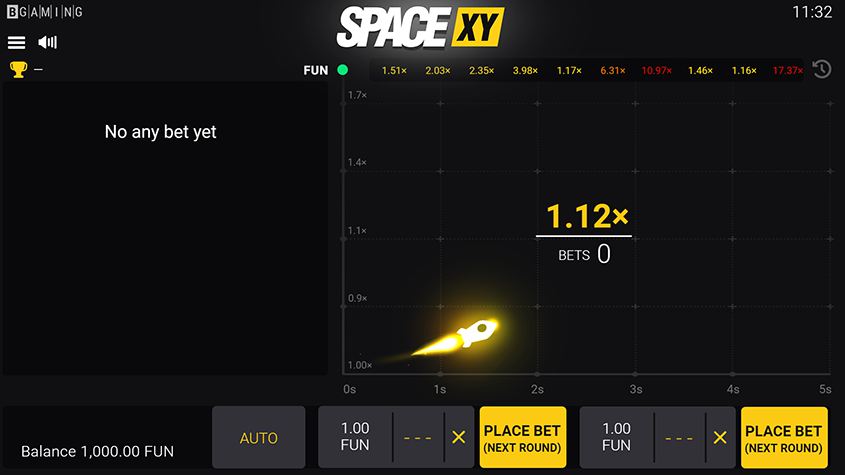
Presence might appear out of place in fast online games, but I view it as the key to a good Space XY session. Presence is about being fully in the current moment, without judging it. Space XY requires for exactly that kind of focus. The main mechanic, where a multiplier climbs as a ship flies into space, requires your complete attention. You can’t think about the last round you lost or dream about a future win. Your awareness stays locked on the present: watching the ship, feeling the tension rise, deciding consciously to cash out before it vanishes. This action is like a short digital meditation on the now. For Canadians with busy schedules, it can be a useful mental reset. The game doesn’t reward distraction; it rewards presence. Playing Space XY this way lets us practice quieting our mind’s chatter and focusing on one unfolding event. That’s a basic skill in meditation, and it helps us handle daily life with more calm and clarity.
The Art of Focused Attention
Here’s how that focus works in real terms. The game’s interface, with its clean space design, cuts out distractions. Your view fills with the rising ship and the climbing number. Every second presents a choice. This sharp focus mirrors the Buddhist practice of ‘samadhi’, or concentrated attention. You’re not just watching something happen; you’re actively part of a dynamic, present-moment event. The suspense isn’t pure anxiety; it’s a kind of heightened awareness. Each session trains your mind to stay put, to watch the climb without getting swept away by greed or fear. For players from Toronto to Calgary, this offers a unique kind of digital mindfulness practice that’s both easy to access and genuinely engaging. It turns gaming into an exercise in mental discipline, where the “win” isn’t only about credits, but about the quality of your attention.
Embracing Change (Anicca)
The Buddhist concept of Anicca, or impermanence, could be the one Space XY shows most clearly. Buddhism explains that all conditioned things are transient and always evolving. Space XY is a brilliant demonstration in this universal fact. Every round serves as a tiny, vivid show of birth, growth, and dissolution. The ship begins (birth), the multiplier increases (life), and then, without warning, it disappears (dissolution). No ship survives forever. No multiplier is eternal. You encounter this reality head-on every time you hit ‘play’. A huge win from one round promises nothing for the next; it’s finished, and a brand new, separate cycle starts. Understanding this can change how you view the game. When the ship leaves early, it’s not a cause for frustration, but the natural conclusion of that specific cycle. Embracing constant change is a powerful insight for life in Canada, telling us to appreciate good moments without holding to them and to meet setbacks aware they will also fade.
The Way of Non-Attachment
Closely tied to impermanence is non-attachment, a idea crucial for balanced gambling. Buddhism doesn’t recommend indifference, but it advises against clinging to outcomes, since fixation often results in suffering. For Space XY, this involves playing without attaching your emotions to any individual round’s result. I determine my limits before I begin—a defined budget and a time constraint—and I view each round as its own independent event. The goal changes to the process of play itself: the anticipation, the small strategies, the visual show. Cashing out successfully is a moment to enjoy, not a promise for the next round. If the ship gets away, I view the loss as part of the game’s structure, not a personal shortcoming. This mindset, shaped by non-attachment, promotes safe gambling. In Canada, where gaming is a accepted leisure activity, this approach keeps Space XY a entertaining, controlled pastime instead of a cause of anxiety. It’s about appreciating the journey through the stars without breaking down when one flight ends.
Useful Steps for Detached Play
Adopting non-attachment takes practice. I employ a few effective steps that assist. First, I always use the game’s tools like auto-cashout, which adheres to my pre-set plan without allowing my emotions intervene mid-game. Second, I focus on my self-talk. Instead of imagining, “I must win back what I lost,” I tell myself that every launch is unconnected and new. To make this tangible, here is a simple list of objectives I determine before playing Space XY:
- I choose a set session bankroll that I am fine possibly losing.
- I determine a timer to make sure my gaming session is harmonized with other life activities.
- I consider each cashout as a successful completion of that round’s “mission,” no matter size.
- I conclude my session having enjoyed the process, not relying on pursuing a particular financial outcome.
This structured but unattached method coordinates gameplay with aware intention, making it a more sustainable and positive part of my recreation.

Compassion and Moral Community
Space XY is frequently a solo activity, but it exists within a wider online community. This is where the Buddhist idea of Karuna, or compassion, enters. A compassionate gaming community is based on respect, support, and ethical behavior. I observe this in how Canadian players and operators handle the game. Responsible gaming features, like deposit limits and self-exclusion tools, are acts of compassion—they safeguard player well-being. Opting to play on reputable, licensed platforms that prioritize fair play and safety is an ethical choice, too. On a social level, discussing experiences, speaking about strategies without malice, and appreciating others’ wins builds a positive environment. In Buddhism, compassion applies to everyone. In our digital context, that signifies regarding fellow players, support staff, and the whole community with kindness and integrity. Promoting these values lifts the Space XY experience in Canada beyond a simple transaction. It becomes part of a respectful digital culture where fun doesn’t arise from harming others.
Equilibrium and the Central Path
The Buddha’s Moderate Path proposes a path of temperance, avoiding the excesses of excess and harsh denial. This concept is perfectly relevant for incorporating gaming into a well-rounded Canadian life. Space XY, with its thrilling and immersive nature, is a great proving ground for practicing this balance. The Middle Way in gaming signifies you don’t entirely eschew an activity you appreciate, but you also don’t permit it to devour all your time and money. It’s about locating that sweet spot where gaming is a agreeable component of life, not the primary focus. For me, this looks like appreciating a brief Space XY round as a intentional break, not an unending, driven hunt. It entails recognizing when I’m gaming for fun and when I might be drifting into chasing losses or employing the game as an outlet. Applying the Central Path mindfully secures my time with Space XY keeps beneficial, viable, and authentically fun. It integrates seamlessly into a life that also includes work, family, the outdoors, and other pursuits that constitute Canadian culture.
Space XY as a Form of Digital Meditation
Viewed through this philosophical framework, Space XY appears as more than a game. You can treat it as a kind of engaging digital mindfulness practice. Each round creates a structured cycle of observation, decision, and release. The gameplay is repetitive but unpredictable, allowing you to practice key mental skills: observing your impulses (to let it ride or to cash out) without reflexively acting on them, keeping calm amid constant change, and bringing your focus back to the present moment repeatedly. I’m not saying that playing Space XY equals seated Vipassana meditation. But its structure does provide a unique framework for cultivating awareness in a dynamic, engaging format. For Canadians residing in a world filled with digital noise, finding these pockets of mindful practice inside entertainment is valuable. It turns leisure time into a chance for subtle personal growth. When I approach Space XY with this intention, I’m not just pressing a button. I’m participating in a mindful exercise that strengthens my ability to handle uncertainty with a calmer, more focused mind.
FAQ: Aware Gaming with Space XY in Canada
Looking at the links between Buddhist concepts and Space XY gameplay raises some frequent questions, notably from a Canadian angle aviatorcasino.app. Let’s address a few common ones to demonstrate how this philosophy functions in practice.
Is this strategy attempting to make gambling appear spiritual?
No, that isn’t the objective. The idea isn’t to spiritualize gaming, but to understand how universal ideas of mindfulness and balance can be applied to any pursuit, such as digital entertainment. For games of luck like Space XY, this method is really about encouraging a more positive, more controlled, and mindful way to play. It’s a framework for reducing harm and boosting personal consciousness, making sure the activity continues as a pastime and doesn’t hurt your well-being. The attention is on the player’s mental state and conduct, not on assigning the game itself a spiritual nature.
Can these concepts really aid with responsible gaming?
I think they establish the bedrock of responsible gaming. Mindfulness enables you aware of your emotions and impulses while you play. Understanding impermanence enables you acknowledge losses as part of a natural cycle. Non-attachment stops you from chasing losses or getting too carried away by wins, which often contributes to reckless choices. Together, these principles create a disciplined approach where you keep in control, set clear limits, and play for the experience rather than a random outcome. That is responsible play at its core.
How can I begin applying this to my Space XY sessions?
Begin with small, deliberate steps. Before you open the game, take three deep breaths to center yourself. Set a strict budget and time limit for your session—this is your “Middle Way” in action. While playing, actively observe when you experience excitement or frustration. Just accept those feelings without judging them. Utilize the auto-cashout feature to stick to a pre-set plan. After your session, take a quick moment to reflect. Did you keep within your limits? Did you keep a balanced mindset? Doing these small things consistently creates a habit of mindful play.
Does this suggest I shouldn’t aim to win?
Not at all. Trying to win is woven into the game’s design, and it’s part of the fun. The philosophical shift is about *how* you approach that goal. Instead of clinging to winning as the only source of enjoyment, you broaden your focus to include the whole experience—the suspense, the strategy, the space theme. Winning becomes a pleasant possible outcome within the activity, not the sole justification for it. This allows you savor the game whether a specific round ends in a cashout or not. It reduces frustration and supports a more sustainable kind of fun.